Material door inlays: bringing texture, luxury and individuality to interior design
A sensory approach to door design
Material inlays introduce a softer, more expressive dimension than metal detailing alone. While metallic inserts offer crisp lines and visual precision, materials such as leather, suede, velour or woven textiles create an entirely different atmosphere – one that invites touch as well as admiration.
These tactile surfaces subtly influence how a room is experienced. A leather panel can introduce warmth within a minimalist interior of stone and plaster, softening the overall palette. A woven fabric insert, meanwhile, can bring gentle movement to an otherwise restrained design as it interacts with changing light throughout the day.
Doors are one of the most frequently touched surfaces in the home. Choosing materials that feel rich and considered elevates everyday interactions, transforming something routine into a small moment of sensory pleasure.
Leather: understated luxury that endures
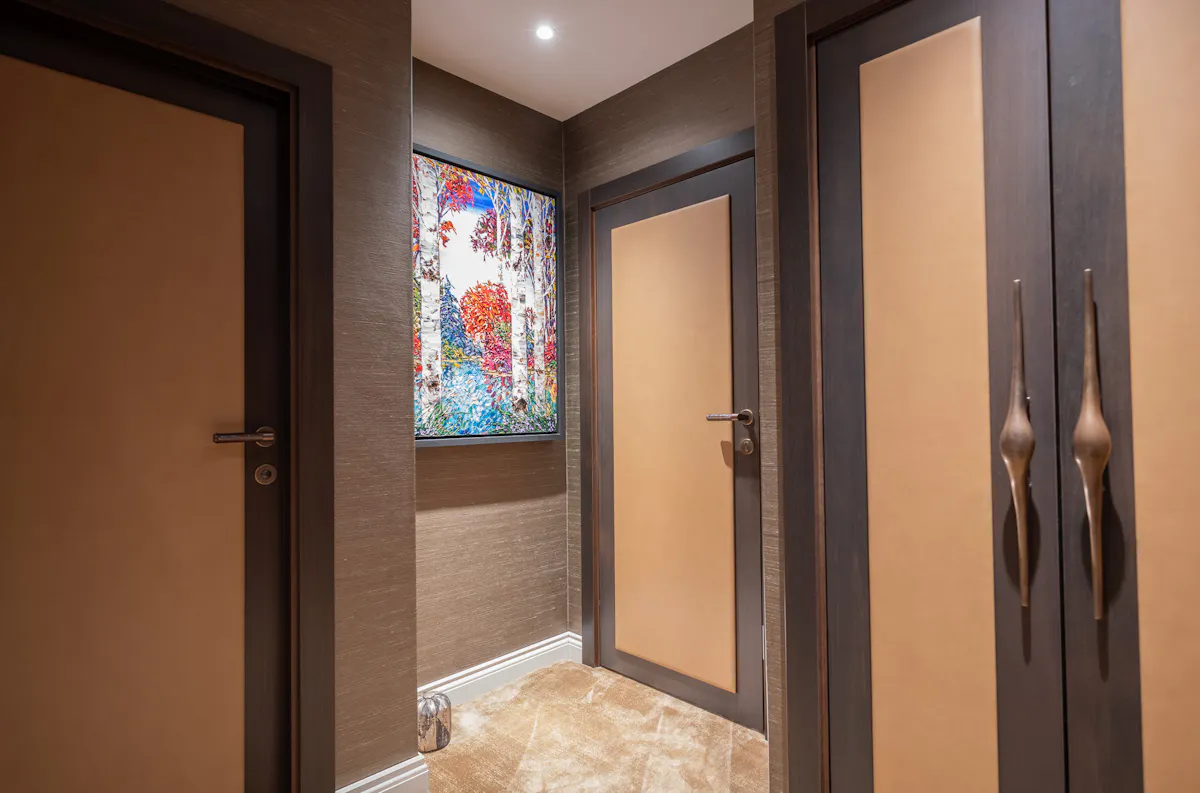
Leather inlays offer one of the most refined ways to introduce texture into interior architecture.
Naturally smooth, durable and visually composed, leather conveys quiet luxury without overwhelming the surrounding design. Its tactile quality makes it particularly effective in spaces where touch plays a part in the experience of the room – dressing rooms, studies, or bedroom suites where materials should feel as luxurious as they appear.
Leather also offers remarkable design flexibility. It can be cut, embossed, skived or stitched to create intricate detailing, whether as slim vertical lines that echo architectural proportions or as full-leaf panels that introduce a bold yet elegant statement.
Crucially, it is also exceptionally resilient. High-quality leather withstands the demands of everyday living while developing a subtle patina over time, allowing the material to mature gracefully as part of the home.
Fabrics and velours: depth, movement and atmosphere
Beyond leather, a wide range of fabrics can be incorporated into bespoke door inlays.
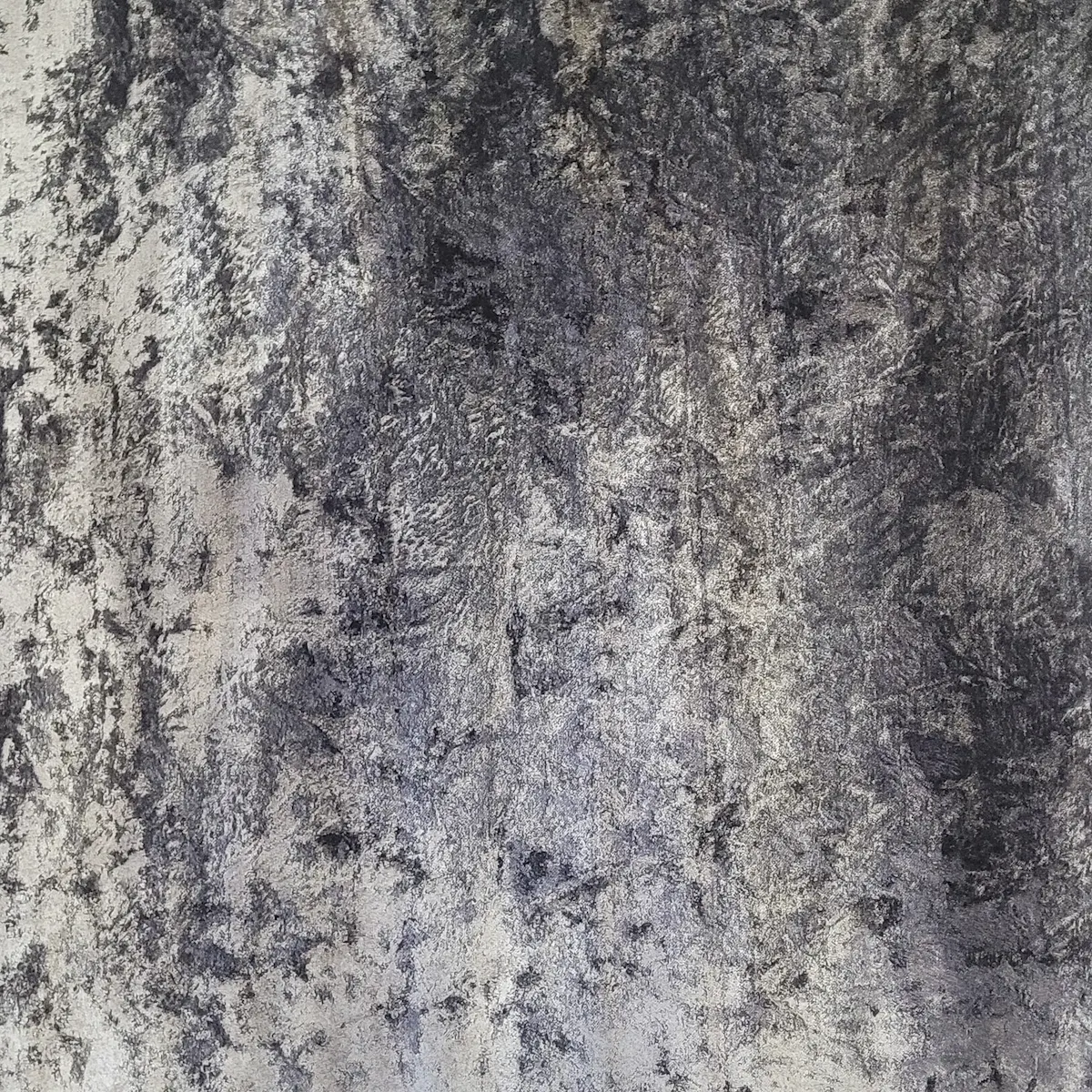
From textured tweeds and chenille to suede and crushed velvet, these materials introduce softness and visual depth that changes throughout the day. As natural light moves across their surface, tones subtly shift, adding an element of movement that a painted or lacquered finish cannot replicate.
Velour and velvet are particularly striking choices. Their soft pile catches light to create a gentle shimmer that enhances the richness of the surrounding interior.
In spaces such as cinema rooms or media lounges, these materials offer more than visual appeal. Their fibrous surfaces help absorb sound, contributing to a quieter, more immersive environment. Combined with dim lighting and plush seating, a crushed velvet inlay can help reinforce the cosy, enveloping atmosphere that defines these spaces.
In other rooms, fabric panels can echo upholstery, curtains or statement furniture pieces, creating a visual dialogue between architectural elements and interior design.
Designing with texture in mind
Material inlays allow designers to think beyond colour alone, introducing texture and tactility as integral components of a scheme.
In a cinema room, fabric inlays can enhance both acoustics and ambience, softening echoes while contributing to a warm, enveloping atmosphere. Within a dressing room or luxury bedroom suite, leather panels might reflect the richness of upholstered furniture or bespoke cabinetry.
Elsewhere in the home, woven textiles can introduce subtle complexity to minimalist spaces, drawing the eye without overwhelming the overall design.
Even restrained detailing can have a powerful effect. Slim linear inlays running vertically through a door leaf can emphasise ceiling height, while geometric compositions can create sculptural focal points within otherwise pared-back interiors.
When materials are selected thoughtfully, the door becomes part of a broader design narrative rather than an isolated architectural feature.
Crafted for true bespoke design
At Deuren, material inlays are carefully embedded into the surface of the door itself and hand-applied by skilled craftsmen in-house. This ensures every element is fully integrated into the structure of the door rather than simply applied as a decorative finish.
Working closely with architects, designers and build teams from the earliest stages of a project, the Deuren team refines each concept in detail – considering proportions, material combinations and the wider architectural intent.
This collaborative process ensures that every inlay feels purposeful, enhancing the surrounding interior rather than competing with it.
Endless possibilities for bespoke interiors
Perhaps the most exciting aspect of material inlays is the freedom they offer.
A door might incorporate subtle leather detailing that echoes the tones of nearby joinery. A statement velvet panel might introduce drama within a cinema room. Woven fabrics could soften a contemporary interior dominated by stone, glass, and metal.
These combinations allow doors to move beyond functional necessity and become expressive design features in their own right.
In the right hands, a door becomes more than a boundary between rooms. It becomes a tactile focal point – one that reflects the character, craftsmanship, and individuality of the home it belongs to.
Ready to make your vision a reality? Get in touch to dictate your dream doors.