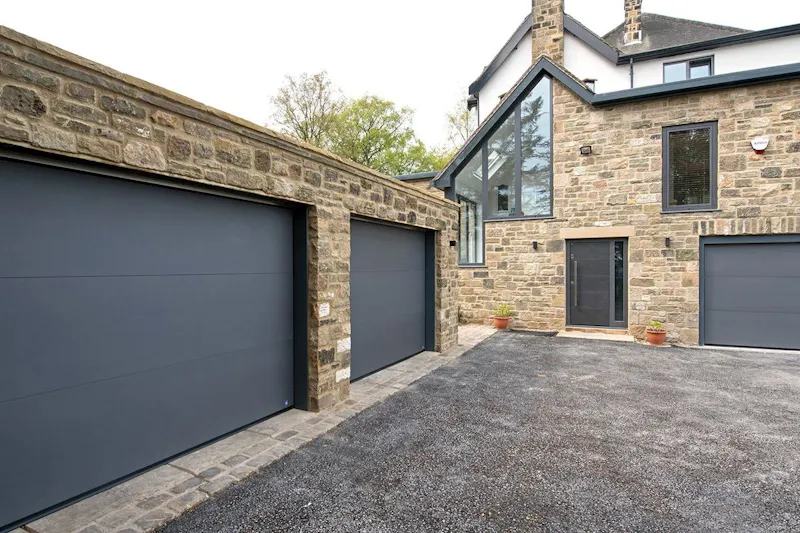
Design without compromise: why doors should be considered at the start of a self-build
Designing doors into the architectural rhythm
At the earliest stages of a self-build project, architecture is defined by intent rather than constraint. Spatial relationships are still fluid, circulation is being shaped, and decisions are guided by how a home should feel and function, rather than by what existing structures will allow. At this point, elements such as ceiling heights, window proportions, and the positioning of staircases are considered fundamental to the design. Doors deserve the same level of attention.
The placement of doors establishes coherent visual axes and reflects daily use. Meanwhile, their scale affects the tone of the design, from subtle warmth to breathtaking grandeur. And their presence, or absence, controls moments of separation and ambient connection that are central to life inside the home. When doors are introduced late, they are often sized to fit what is left, imposing subtle yet persistent impacts such as awkward clearances, truncated head heights, and thresholds that interrupt otherwise clean architectural lines. When introduced early, however, they help define the architecture itself.
Why configurations must be carefully considered
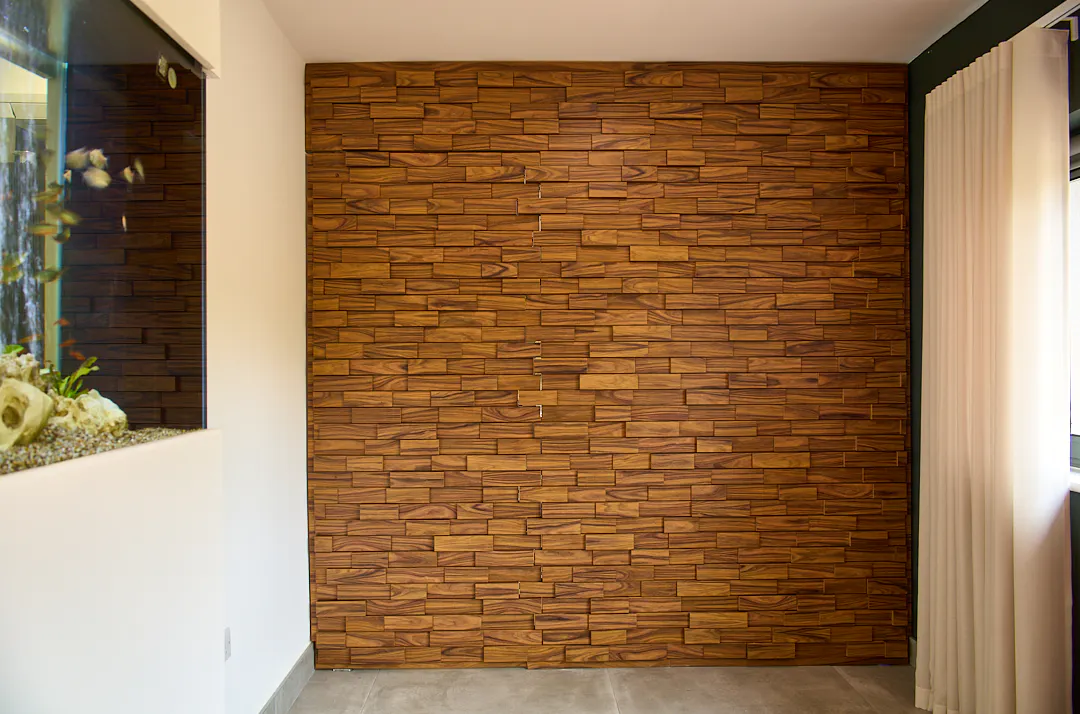
Many of the most refined door solutions rely on construction decisions that cannot be revisited once the build is underway. Pocket doors, for example, require uninterrupted wall cavities or cassette systems of sufficient depth, carefully integrated into the structure to accommodate the recess while maintaining strength, stability, and acoustic performance. This demands early coordination across trades, as electrical runs, insulation, pipework, and fixings must all be routed around the door system from the outset. Without this level of planning, the door either imposes compromises elsewhere in the build or becomes impractical to introduce at all.
Pivot doors place a different set of demands on a building. Their operation shifts weight vertically through the floor and ceiling rather than laterally into the frame, requiring careful alignment with floor build-ups and structural supports above. Even minor deviations in level or tolerance can affect performance and longevity, which is why these doors must be precisely made to measure and resolved perfectly in tandem with the architectural and structural design.
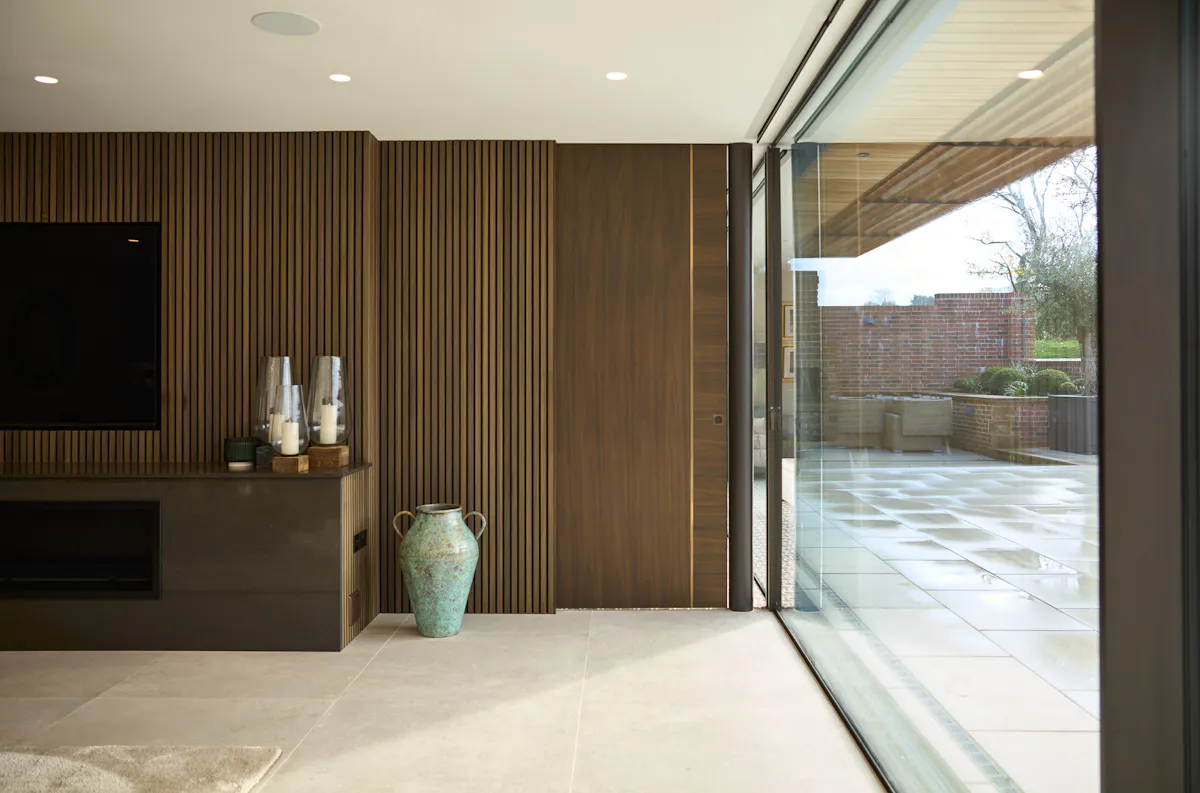
Full-height and extra-wide doors appear deceptively simple, yet they rely on precise relationships between ceiling heights, finished floor levels, and supporting elements to achieve clean proportions and smooth operation. Missing even a few millimetres at the construction stage can be the difference between a door that reads as effortless and one that feels constrained and shoehorned in. As such, these configurations demand early decisions around structure and sequencing, long before the building begins to take shape.
Rethinking possibilities in renovation projects
Even in renovation projects, early consideration of doors can fundamentally change what is perceived to be possible. Period homes, in particular, often come with inherited constraints such as bulkheads, narrow openings, or lowered head heights that are accepted as immovable features. However, when door design is brought into the equation early, these assumptions can be challenged and, with the right technical understanding, often reworked.
In Georgian abodes, for example, certain elements are legally protected and must remain intact, particularly the symmetry of the plan, original ceiling heights, and decorative cornicing that defines principal rooms. These fixed proportions often lead owners to assume every element of the internal layout is equally untouchable. Yet, in reality, early design conversations can reveal scope to remove later bulkheads or non-original partitions, allowing the installation of striking, full-height doors that restore scale, improve flow, and bring historic spaces into step with modern spatial living.
Designing for lifestyle, light, and performance
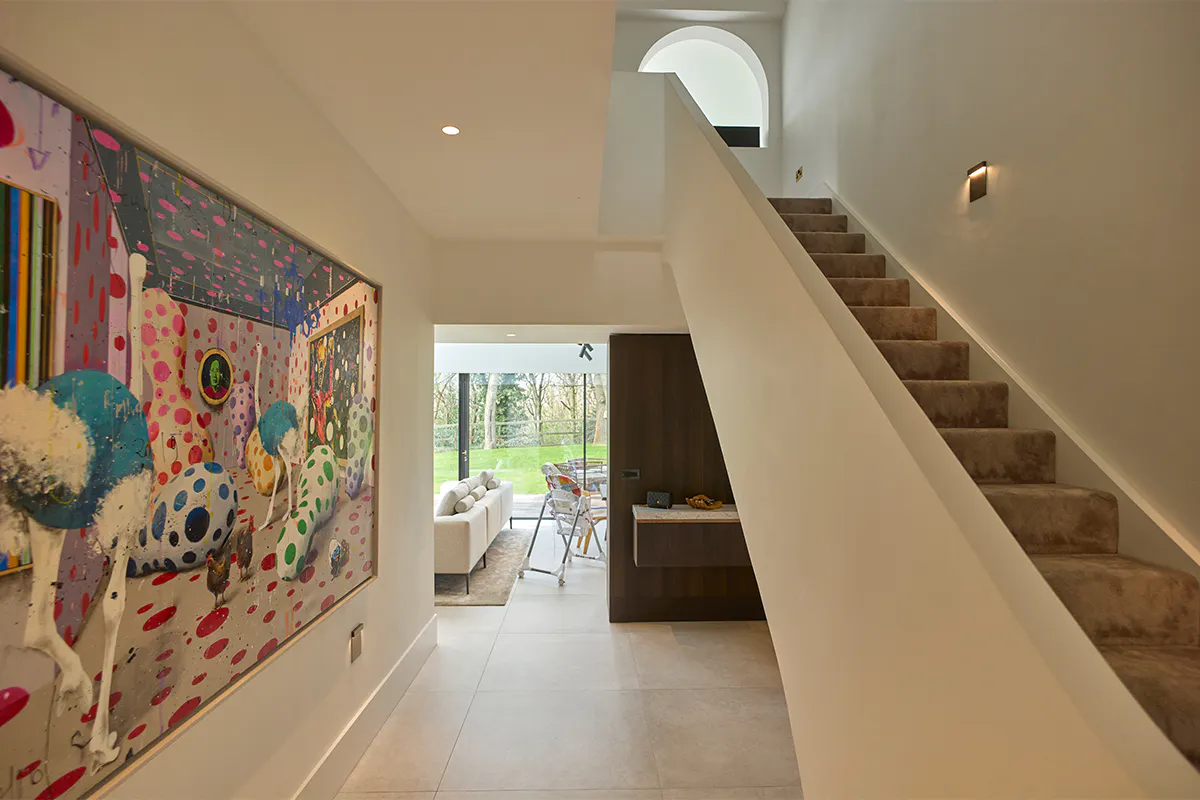
When doors are considered early, they can be shaped thoughtfully around patterns of daily living rather than imposed upon them. How a space opens in the morning, how light moves through the house as the day progresses, where separation is desirable and where it would feel restrictive – these are questions best answered before walls are fixed and finishes defined. A door’s operation, whether it pivots, slides, or sits flush within the architecture, plays a decisive role in this experience, influencing both the visual narrative and spatial flow.
Early specification also allows performance requirements to be resolved with subtlety. Fire ratings, acoustic separation, and thermal performance are not afterthoughts to be retrofitted later, but integrated elements of the design. When addressed from the outset, these requirements can be met with utmost consideration for regulatory requirements while integrating seamlessly into the architectural narrative of a home, ensuring every detail performs as immaculately as it looks.
Enabling a more efficient and considered build process
Bringing door design into the project at an early stage allows critical decisions to be resolved once, properly, and in context. Structural openings, finished floor levels, ceiling junctions, wall thicknesses, and permissible tolerances can be set out clearly and coordinated across the architectural and construction drawings, rather than revisited under pressure once the build is underway. This level of foresight reduces on-site adjustments, keeping timelines in check while protecting the integrity of the original design. And, without unnecessary reworks or delays imposed, budgets can remain carefully intact too.
At Deuren, we integrated seamlessly into the build team at the earliest possible opportunity to take ownership of these details. By understanding the project’s overarching vision, and any subtle yet significant details that can impact the composition of each door, we make sure any technical complexities are addressed in parallel with the architectural development rather than in competition with it. But design and specification aren’t our only forte. We also coordinate effortless installation, so you can be confident in a smooth and meticulous process that reflects the exquisite calibre of the wider build.
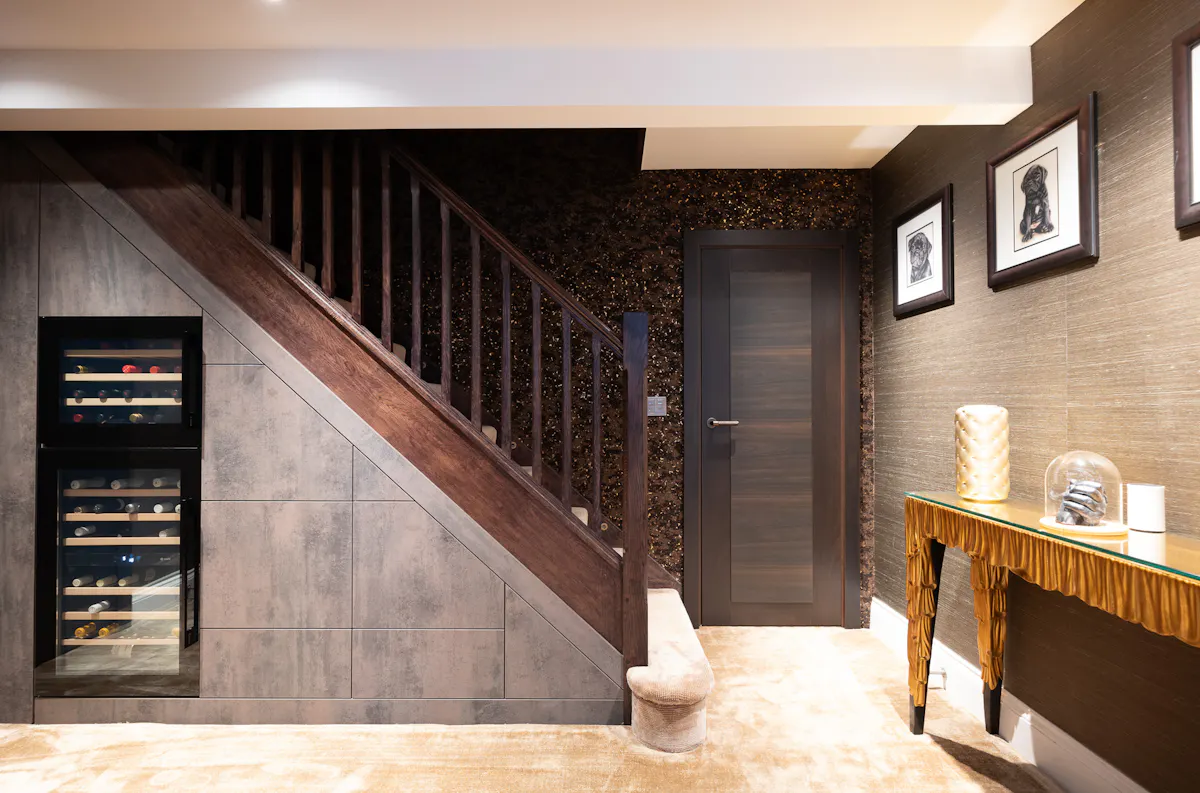
Breathe limitless bespoke freedom into your project
When doors are considered from the outset, they move beyond function and begin to shape how a home is experienced. A pivot door becomes an architectural pause between spaces. A full-height door sharpens proportion and grandeur. Sliding systems dissolve boundaries, drawing light deeper into the plan and redefining how rooms relate to one another. And, with limitless bespoke freedom to dictate every component, architects, interior designers, and homeowners can realise an inimitable statement that can’t be found anywhere else.
From book-matched timbers and refined luxury leathers to designer fabrics, mesmerising metals, and perfectly polished paint finishes, virtually any material can be sought to help each door sit effortlessly in dialogue with the wider architectural narrative. Hardware, ironmongery, glazing, automation, and integrated technology can all be resolved with the same level of intent, ensuring no detail feels secondary or compromises your original vision.
Whatever your ambition, Deuren dares you to dream bigger. With more than 25 years of experience, Grand Designs Premium Partner status, and an active involvement in shaping university design curricula across the UK, Deuren brings a depth of knowledge few bespoke door specialists can rival.
Whether you are at the concept stage or already shaping a future project, speak to Deuren to begin designing doors without compromise. Or, book a showroom appointment to see a carefully curated selection of our previous work.